
Ledger® Live Wallet— Getting Started™ | official Ledger™
Learn about Ledger Live Login and discover helpful information on account access, hardware wallet connection, portfolio management, transaction review, and secure crypto practices.
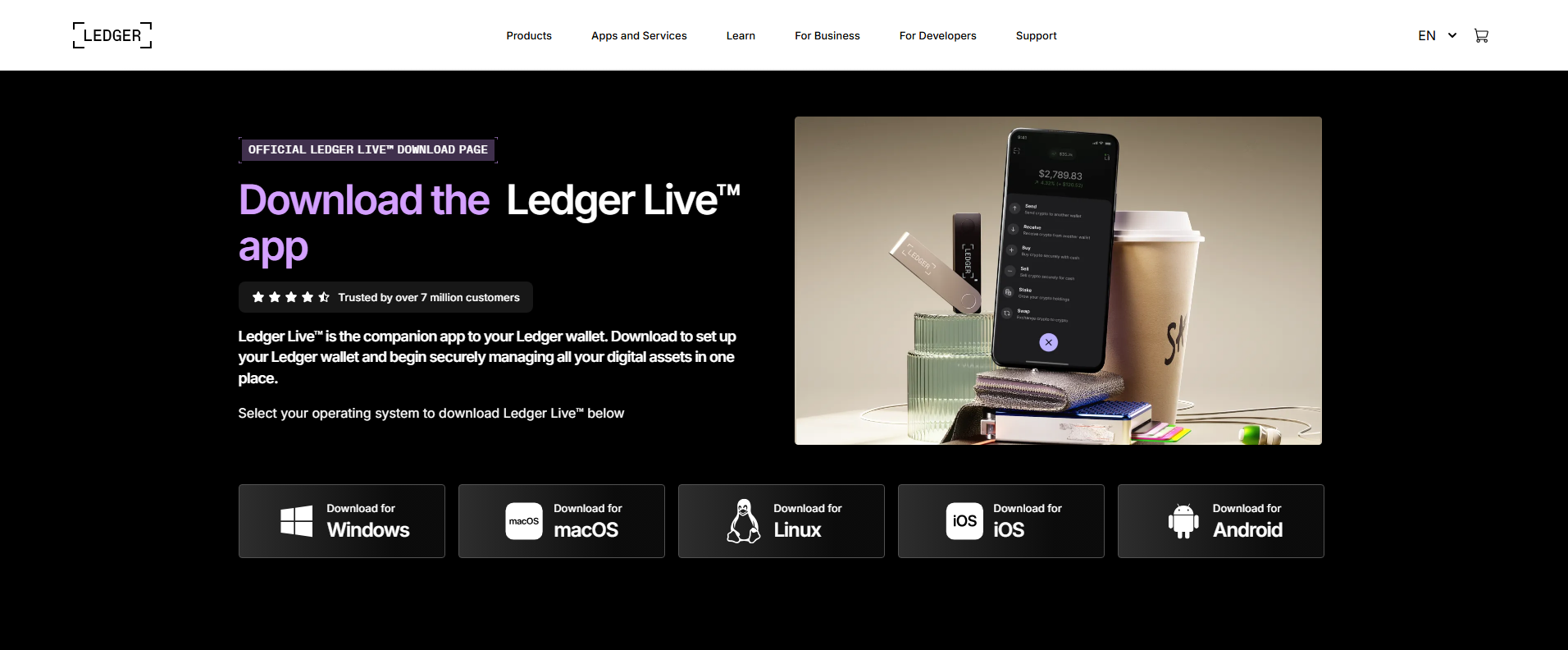
Ledger Live Login: A Complete Guide to Accessing and Managing Your Ledger Wallet
Managing cryptocurrency with a hardware wallet requires both a secure physical device and compatible wallet software. For users working with Ledger products, Ledger Live provides a desktop and mobile interface for interacting with supported accounts, checking balances, installing applications, and managing cryptocurrency transactions.
Understanding the Ledger Live login and connection process can help users avoid common mistakes and recognize the difference between legitimate wallet software and suspicious websites. Because hardware-wallet security depends heavily on protecting sensitive information, every step should be approached carefully.
What Is Ledger Live Login?
The term Ledger Live login is commonly used by users looking for a way to access their Ledger wallet management environment. However, Ledger hardware wallets do not work like traditional online banking accounts where a username and password provide direct access to funds.
Instead, Ledger Live works together with a compatible Ledger hardware device. The application provides the interface for managing supported accounts, while the hardware wallet is used for important security and transaction-approval operations.
The exact interface may vary depending on the Ledger device, application version, and supported cryptocurrency.
Why Use Ledger Live?
Ledger Live can provide a centralized environment for managing supported cryptocurrency accounts. Rather than using unrelated applications for every basic wallet-management task, users can access supported features through a single interface.
Depending on the current software capabilities, Ledger Live may allow users to view balances, review transaction history, install blockchain applications, add accounts, and prepare transactions.
The hardware wallet remains an important part of the security model because sensitive authorization operations are handled through the physical device.
Preparing for Ledger Live Login and Setup
Before opening Ledger Live, users should make sure they have their compatible Ledger hardware wallet available. The device should be kept in a secure location and connected only when necessary.
Users should also verify that they are obtaining Ledger software from a trusted official source. Search advertisements, unsolicited emails, social-media messages, and unfamiliar download pages can sometimes lead to fraudulent software or phishing websites.
Most importantly, users should understand that a recovery phrase is not a normal login password. It is highly sensitive information and should never be shared with another person or entered into an unexpected website or application.
Opening Ledger Live on a Desktop
Users who prefer a computer can use the desktop version of Ledger's wallet-management software. After installation, the application can guide users through supported device-connection and account-management workflows.
The first screen may differ depending on the current version of the software. Some users may be setting up a new device, while others may be connecting an existing Ledger wallet.
Following the instructions displayed by the application and hardware device can help reduce setup errors.
Connecting Your Ledger Device
A compatible Ledger hardware wallet generally needs to be connected to the computer before certain account-management functions can be performed.
After connecting the device, users may need to unlock it using the PIN created during device setup. The desktop application can then communicate with the hardware wallet to provide access to supported features.
Users should pay attention to the physical device whenever an important operation is taking place. The hardware screen can provide an additional opportunity to verify information before approving an action.
Does Ledger Live Require a Traditional Password?
One important point about Ledger Live login is that users should not assume the hardware wallet works like a conventional web account.
The security model is based on the combination of the Ledger device and its associated credentials rather than simply entering an online username and password.
If a website claims that a user must provide a recovery phrase to complete a Ledger Live login, verify an account, unlock funds, or fix a wallet problem, users should stop immediately and investigate the request through trusted official resources.
Adding and Managing Accounts
Once a Ledger device is connected, users may be able to add supported cryptocurrency accounts through the Ledger Live interface.
Each blockchain network has its own account structure and requirements. Available options can therefore vary depending on the asset, device, and current application support.
For users holding multiple cryptocurrencies, keeping accounts organized can make it easier to monitor balances and review transactions.
Checking Cryptocurrency Balances
One of the most common reasons users open Ledger Live is to review their cryptocurrency accounts.
The application can display supported account information and transaction history, helping users keep track of their portfolio from a desktop or mobile environment.
Balance information should always be interpreted within the context of the relevant blockchain network. If something appears unusual, users should investigate before attempting to send or move funds.
Receiving Cryptocurrency Safely
Receiving cryptocurrency requires an appropriate wallet address for the relevant blockchain network.
Before sharing an address, users should carefully verify that it belongs to the intended account and corresponds to the correct cryptocurrency network. Where available, checking address information on the hardware device can provide an additional verification step.
Users should never assume that every address displayed by an unfamiliar website belongs to their wallet.
Sending Cryptocurrency Through Ledger Live
Sending cryptocurrency requires careful review because blockchain transactions can be difficult or impossible to reverse once confirmed.
Before approving a transaction, users should check the recipient address, amount, network, and transaction fee. The information presented on the hardware wallet should also be reviewed before confirming the transaction.
If anything looks different from what was expected, the transaction should be stopped until the details are understood.
Protecting Your Ledger Live Login
Account and device security depends on more than the software itself. Users should keep their computer secure, avoid suspicious browser extensions, and install wallet software only from trusted sources.
The Ledger hardware wallet should also be physically protected. Users should never give another person access to the device and its security credentials.
Most importantly, the recovery phrase should remain private and offline according to the manufacturer's security guidance.
Avoiding Fake Ledger Login Pages
Searching for Ledger Live login can expose users to fraudulent websites designed to imitate legitimate wallet pages.
A fake login page may use familiar branding, similar colors, or language designed to create a sense of urgency. Some fraudulent pages may claim that a wallet needs verification or that an account has been suspended.
These messages should be treated with caution. Legitimate wallet security processes should not require users to disclose their recovery phrase to an unknown website.
Always verify the domain and use trusted official sources rather than relying on a link received unexpectedly.
Keeping Ledger Software Updated
Software updates can introduce compatibility improvements, bug fixes, and other changes. Users should pay attention to available updates for their wallet-management software and compatible hardware.
Updates should be performed through trusted official channels. Users should be especially cautious if an unexpected message asks them to install a separate application or enter sensitive recovery information.
A request for a recovery phrase should always be treated as a major warning sign.
Common Ledger Live Login Mistakes
New users can make several avoidable mistakes when searching for or using Ledger Live. These include downloading software from unofficial websites, entering recovery information into online forms, approving transactions without checking the hardware device, and trusting unexpected support messages.
Another common mistake is assuming that a Ledger wallet can be accessed simply by entering a password on a random website.
Understanding the relationship between the hardware wallet and Ledger Live makes the process easier to follow and can help users identify suspicious requests.
What to Do If Ledger Live Shows an Unexpected Message
If Ledger Live displays an unfamiliar warning or a transaction appears different from what was expected, users should pause before approving anything.
Do not provide a recovery phrase simply because a message claims that it is required for verification, login recovery, synchronization, or account activation.
Instead, close suspicious pages and consult trusted official Ledger support documentation. Taking time to verify an unexpected request is better than rushing through a potentially irreversible transaction.
Building Better Ledger Security Habits
Secure cryptocurrency management depends on consistent habits. Users should keep their recovery information private, verify wallet addresses, check transaction details on the physical device, maintain updated software, and avoid unofficial wallet applications.
It is also useful to understand what Ledger Live does and what the hardware wallet does. The software provides a convenient management interface, while the physical device is involved in protecting and authorizing sensitive wallet operations.
Final Thoughts
Ledger Live login is best understood as part of the broader process of accessing and managing a Ledger hardware wallet rather than as a traditional username-and-password login.
Ledger Live can provide a convenient environment for viewing supported accounts, monitoring balances, managing applications, and preparing cryptocurrency transactions. The connected hardware wallet adds an important layer to the process by handling sensitive authorization operations.
By using trusted software sources, protecting recovery information, carefully checking transactions, and staying alert to fake login pages, users can develop safer and more informed habits when managing cryptocurrency through Ledger Live.
Updated about 3 hours ago